Best Money Apps in 2026: Top Picks to Take Control of Your Cash
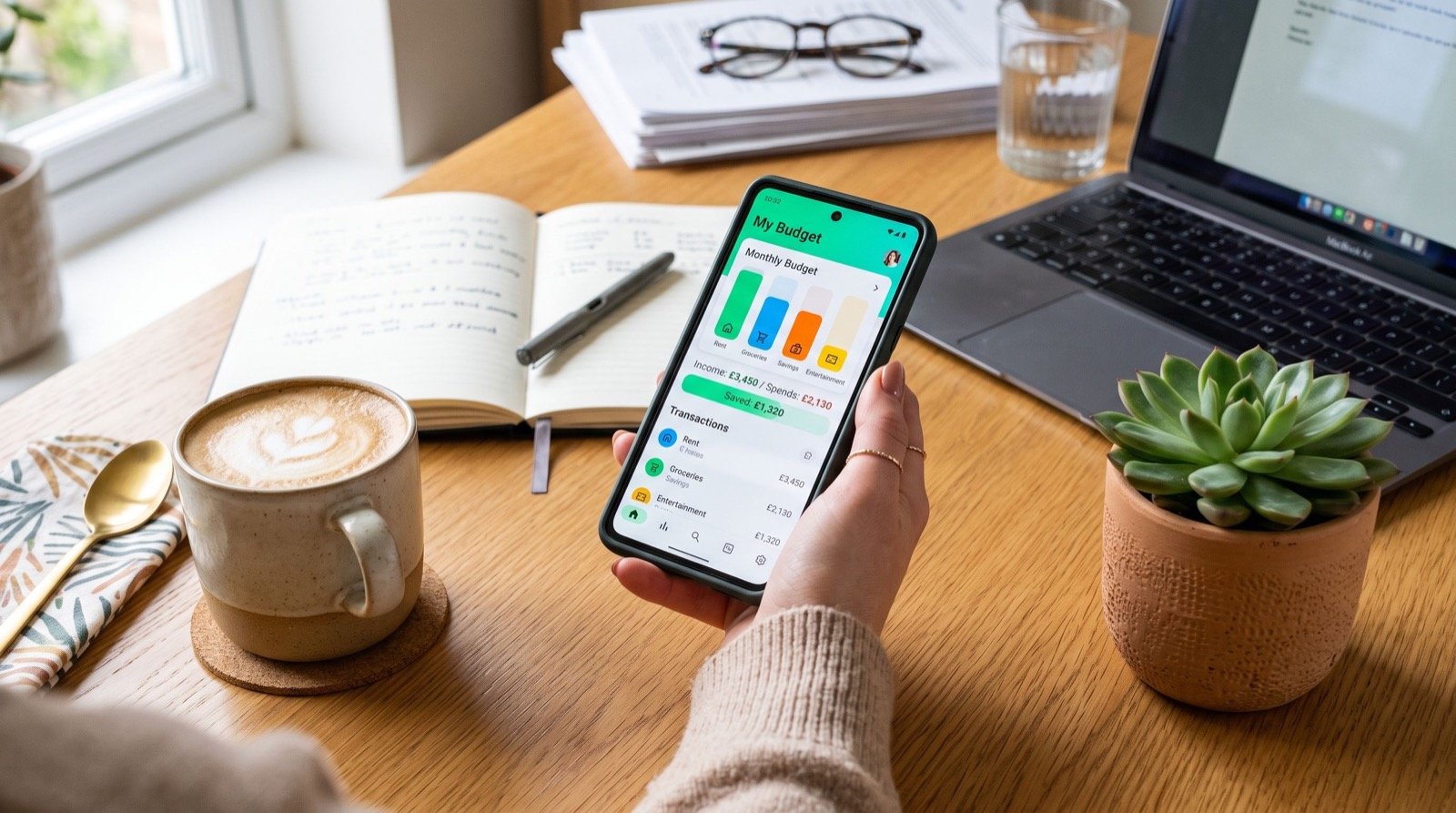
Choosing the best money apps in 2026 is no longer a luxury reserved for spreadsheet enthusiasts. With prices shifting weekly and pay landing across several accounts, most people need a pocket-sized command centre for their finances. The right app turns scattered receipts, subscriptions, and side-hustle income into a single, readable picture you can act on in minutes.
I have tested dozens of these tools over the past three years, moving real money through each one to see how they behave under pressure. This guide shares what actually held up, where the marketing oversold, and how to match a tool to the way you genuinely spend. If you want a curated shortlist to start from, the team at best money apps keeps an updated comparison worth bookmarking.
Why the Best Money Apps Matter More in 2026
Cash rarely sits in one place anymore. A typical adult juggles a current account, a savings pot, a credit card, and at least one peer-to-peer wallet. Without a central view, small leaks like forgotten free trials and duplicate subscriptions quietly drain hundreds each year.
According to the U.S. Consumer Financial Protection Bureau, people who review their spending weekly are far more likely to spot unauthorised charges early. A good money app automates that review so you do not have to remember to log in.
What Separates a Great App From a Gimmick
Flashy dashboards are easy. Reliable syncing, honest fee disclosure, and bank-grade security are not. The strongest apps refresh balances in near real time, encrypt data in transit and at rest, and never hide the cost of an instant transfer behind a cheerful button.
My Shortlist of the Best Money Apps
Below is a comparison of the categories I lean on most. Each fills a different job, and pairing two of them often beats trying to force one app to do everything.
| App Type | Best For | Typical Cost | Standout Feature |
|---|---|---|---|
| Budgeting tracker | Seeing every transaction in one place | Free–$8/mo | Automatic category tagging |
| Peer-to-peer wallet | Splitting bills and paying friends | Free (fees on instant) | Send money in seconds |
| Micro-investing app | Beginners building the habit | $1–$5/mo | Round-up investing |
| Savings automation | Hitting a specific goal | Free–$4/mo | Rules-based transfers |
Features I Refuse to Compromise On
- Two-factor authentication and biometric login by default.
- Clear, upfront disclosure of every transfer or withdrawal fee.
- Export options so your data is never trapped inside one platform.
- Responsive support you can reach when something goes wrong.
How Do You Pick the Right Money App for You?
Start with the problem that annoys you most. If subscriptions surprise you, prioritise a tracker with subscription detection. If splitting rent causes friction, a peer-to-peer wallet solves it faster than any budget chart. Match the tool to the pain, not to the hype.
Follow this simple sequence to avoid app overload:
- Name your single biggest money frustration this month.
- Pick one app that directly targets that frustration.
- Use it daily for four weeks before adding anything else.
- Review the results, then decide whether a second app earns its place.
One practical tip from my own testing: schedule a ten-minute “money date” every Sunday. Open your primary app, scan the week, and cancel one thing you no longer use. That tiny ritual has saved me more than any advanced feature. For deeper walkthroughs, this Cash App guide breaks down setup step by step.
Security Habits That Protect Your Accounts
Even the best money apps cannot protect a careless user. Never approve a payment request from a stranger, and treat unexpected “verification” links as fraud until proven otherwise. When I onboard friends, I lean on an experienced local team for hands-on setup so nothing critical gets skipped.
Common Mistakes to Avoid
The biggest error is installing five apps and checking none of them. Consolidation beats collection every time. The second mistake is ignoring fees on instant transfers, which quietly stack up. The third is storing large balances in a wallet that pays no interest when a savings pot would.
Freshness matters too. In 2026, several apps rolled out AI-driven spending forecasts. They are useful, but treat the predictions as guidance rather than gospel, especially when your income varies month to month.
Pairing Apps for Maximum Results
No single app wins every category, and the smartest users stop trying to force one to. The winning move is a small, deliberate stack: one tool that watches the whole picture and one that handles fast, everyday payments. Together they cover roughly ninety percent of real financial needs without overwhelming you.
My own stack has stayed remarkably stable. A budgeting tracker imports every transaction overnight, tags it, and flags anything unusual by breakfast. A peer-to-peer wallet handles rent splits, restaurant tabs, and the occasional refund. When a goal appears, such as a holiday or a new laptop, I spin up a savings-automation rule and let it run quietly in the background.
A Real Example From My Own Finances
Last spring I noticed my tracker flagging three separate streaming subscriptions, two of which I had genuinely forgotten. Cancelling them freed enough each month to fully fund a modest travel pot by year end. That is the quiet power of the best money apps: they surface the small, invisible leaks that no amount of willpower would ever catch on its own.
Fitting Apps to Your Life Stage
Your ideal stack shifts as life does. A student splitting bills leans hardest on a wallet, while a new parent juggling childcare costs benefits most from a rules-based savings tool. Someone nearing a big purchase wants forecasting features that project balances months ahead. Reassess your stack once a year, because the tool that served you in 2024 may not be the one you need in 2026.
Frequently Asked Questions
Are money apps safe to link to my bank account?
Reputable apps use encrypted, read-only connections through regulated aggregators. Stick to well-reviewed apps, enable two-factor authentication, and you dramatically reduce your risk compared with manual tracking.
How many money apps should I actually use?
Most people thrive with two: one budgeting tracker for the full picture and one wallet for day-to-day payments. Adding more usually creates noise rather than clarity.
Do free money apps make budgeting harder?
Not at all. Many free tiers cover everything a beginner needs. Pay only when a premium feature, such as custom categories or advanced forecasting, solves a real problem for you.
What is the fastest way to start today?
Download one budgeting app, connect your primary account, and label last week’s transactions. Seeing your real numbers is the moment most people finally change their habits.
Final Thoughts on the Best Money Apps
The best money apps in 2026 are the ones you open often and understand fully. Do not chase every feature; chase clarity. Start with a single tool that fixes your loudest frustration, build a weekly review habit, and let compounding good decisions do the rest.
Ready to take control? Pick one app from the shortlist above, set it up this week, and give yourself a month to feel the difference. Your future self, staring at a healthier balance, will thank you.