Contact Center Headsets and Queue Tech: Building a Frictionless Customer Experience in 2026
Great customer service sounds good — literally. When an agent’s voice is clear and the visitor’s wait is organized, the whole interaction feels effortless. In 2026, smart businesses pair professional contact center headsets with digital queue technology to remove friction at both ends of every conversation.
This guide covers how audio hardware and queuing software work together, what to look for in a premium headset, and how to design a service flow that respects your customer’s time. If you manage a branch, call center, or help desk, these fundamentals will sharpen your operation.
Why Audio Quality Defines Service Quality
People judge competence by clarity. A crackling line or an echoing mic makes even a knowledgeable agent sound unsure, while crisp audio builds instant trust.
That is why enterprise-grade headsets have become standard rather than a luxury. Noise cancellation, wideband voice, and comfortable all-day wear directly influence how customers rate an interaction.
What a Premium Headset Delivers
- Active noise cancellation: filters background chatter in busy rooms.
- Wideband (HD) voice: richer, more natural-sounding speech.
- Acoustic protection: guards agents from sudden loud spikes.
- Durable, comfortable build: supports long shifts without fatigue.
Teams that value clarity often shortlist professional models such as the Addasound Crystal 2731, which targets contact-center environments where noise reduction and consistent audio matter across long, high-volume shifts.
How Do Queues and Headsets Work Together?
They solve two halves of the same problem: managing the wait, then nailing the conversation. Queue software gets the right customer to the right agent; the headset makes that conversation excellent.
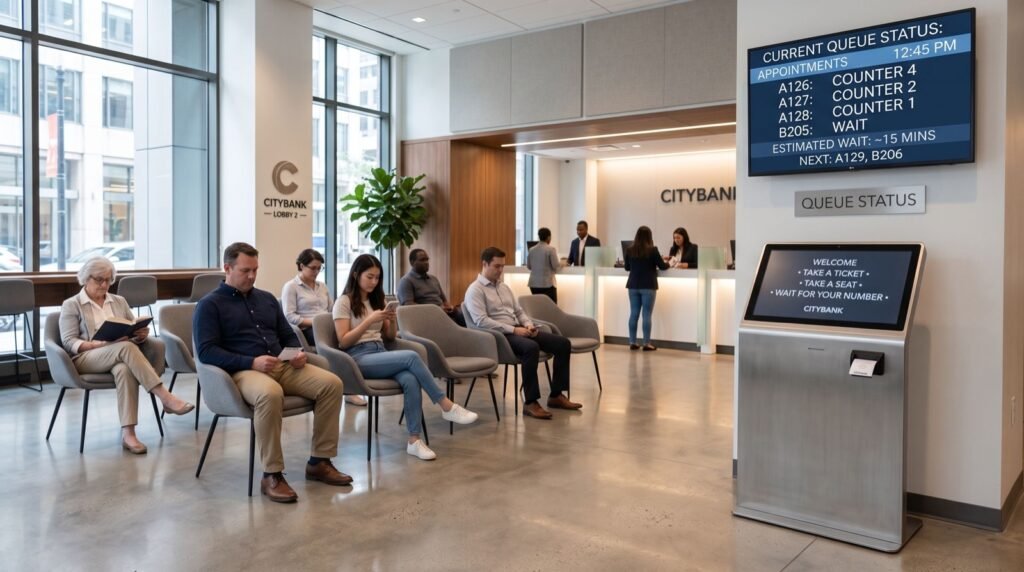
Picture the flow. A visitor checks in, the system routes them by need, and the assigned agent — wearing a clear, comfortable headset — handles the request without repeating themselves. Friction disappears at both stages.
Deployments of a queue management system in lahore increasingly bundle this thinking, aligning digital ticketing with agent audio so branches deliver a consistent, professional experience from the door to the desk.
Choosing the Right Headset for Your Environment
Match the device to the room. An open floor with 50 agents needs aggressive noise handling; a quiet back office may prioritize comfort and battery life instead.
| Environment | Priority Feature | Connection |
|---|---|---|
| Busy open floor | Strong noise cancellation | Wired USB for stability |
| Hybrid / hot-desk | Multi-device pairing | Bluetooth / DECT wireless |
| Quiet help desk | All-day comfort | Wired or wireless |
| Reception / kiosk | Durability & hygiene | Wired, easy-clean |
Compatibility Comes First
Before buying, confirm the headset certifies with your softphone or unified communications platform. A certified device avoids driver headaches and guarantees features like call answer/end work out of the box.
The Infrastructure That Holds It All Up
Clear audio and smooth queuing both depend on a stable network. Wireless headsets, kiosks, and signage compete for the same bandwidth, and weak cabling shows up as dropped calls and frozen screens.
Planning that foundation carefully is essential, and it is where quality service providers distinguish themselves — designing power, cabling, and wireless coverage that hold steady even when every agent is on a call during peak hours.
Protect Hearing With Recognized Standards
Agents wear headsets for hours, so acoustic safety is not optional. Reference established occupational guidance — the U.S. Occupational Safety and Health Administration publishes exposure limits worth following; see the OSHA occupational noise standards to keep long-shift listening levels safe and compliant.
Reducing Agent Turnover With the Right Tools
Contact-center burnout is expensive. Every agent who quits takes training investment and institutional knowledge with them, and poor equipment is a surprisingly common trigger for that exit.
Comfortable, clear-sounding headsets remove a daily source of physical and mental strain. When an agent no longer strains to hear or repeats themselves through a weak mic, each call costs less energy, and fatigue accumulates far more slowly across a shift.
Small Tools, Big Retention Impact
- Lightweight headsets prevent neck and ear pressure over long days.
- Smart routing matches agents to calls that suit their skills.
- Live queue visibility lets agents pace themselves without surprises.
- Quick-mute and busy controls give staff a sense of control.
Managers who track agent sentiment alongside performance data often find that equipment complaints predict resignations weeks in advance. Acting on those signals early is far cheaper than recruiting replacements later.
There is a customer-side payoff as well. Experienced, comfortable agents resolve issues faster and sound warmer, so retention and satisfaction rise together. Investing in the tools your team uses every hour is one of the most reliable returns in service operations, and it compounds quietly over time.
A Practical Rollout Tip
Pilot before you standardize. Give a handful of agents two or three headset models for a week and collect honest feedback on comfort, mic clarity, and fatigue. The “best on paper” model is not always the one your team wears happily for eight hours.
Combine that with a short queue-flow review. Ask agents which routing rules cause repeated transfers, then fix those first. Small changes to both audio and flow compound into a noticeably smoother experience.
Frequently Asked Questions
Are wired or wireless headsets better for contact centers?
Wired headsets offer rock-solid stability and no charging, ideal for fixed stations. Wireless suits mobile or hybrid agents who move around. Many centers mix both based on role.
Does noise cancellation really improve call quality?
Yes. Effective noise cancellation removes background chatter from the agent’s microphone, so customers hear a clearer voice and misunderstandings drop, especially on busy floors.
How does a queue system reduce agent stress?
By routing each customer to the right agent with context, it cuts repeated explanations and cold transfers. Agents handle better-matched conversations, which lowers frustration on both sides.
How often should headsets be replaced?
Quality contact-center headsets typically last a few years of daily use. Replace ear cushions regularly for hygiene and comfort, and refresh units once mic clarity or padding noticeably degrades.
Conclusion
In 2026, a frictionless customer experience blends organized queuing with excellent audio. Route customers intelligently, equip agents with clear and comfortable headsets, and build the network to support both. Get that combination right and every conversation starts on the right note. Ready to upgrade? Pilot a professional headset and audit your queue flow together — the two improvements reinforce each other.